


product specs
Condition:
 More Info
Condition

Well Loved - A well loved boot shows significant signs of wear and tear including heel wear, scratching, and scuffing on a majority of the boot’s surface area.
Fair - A fair boot shows some signs of wear and tear on the sole of the boot. This includes chipping, scratching and scuffing on high impact areas like the heel and toe lugs. The liners in these boots are typically very broken in.
Good - A good boot shows minor signs of wear and tear with little heel and toe wear, some minor cosmetic scratches across both boots, but no major damage. Liners in these boots have been broken in but still have some life left in them.
Excellent - An excellent boot shows almost no signs of wear and tear on the sole or upper of the boot shell. The liners in these boots show little signs of break in and will fit tighter than a boot that has been used more.
Ability Level:
Beginner-Advanced More Info
Ability Level
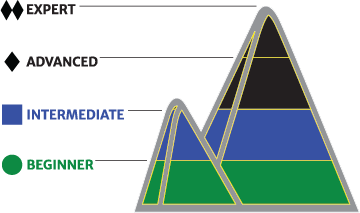
Beginner - Skis, Boards, Boots and Bindings for the beginner skier or boarder are built to be more forgiving and easier to handle on the slopes. Skis and Boards are typically built with foam or wood cores that are more flexible and have shorter radii, making them less challenging to turn. Bindings are generally more pliable than models built for more advanced skiers or boarders.
Intermediate - Skis, Boards, Boots and Bindings for intermediate skiers or boarders generally provide more stability and performance than beginner focused equipment. Skis and Boards generally have medium radiuses with better handling at higher speed while still being forgiving at slower speeds.
Advanced - Skis, Boards, Boots and Bindings for advanced skiers or boarders generally provide a stiffer, higher performance ride that is better suited for steeper terrain and higher speeds. Skis and Boards generally have medium to large radii. Bindings are generally more rigid and provide better power transfer.
Expert - Skis, Boards, Boots and Bindings for expert skiers or boarders are built to provide the highest level of precision and power. Skis and Boards are generally on the stiffer side requiring more effort and technique to turn effectively.
Flex:
 More Info
Flex
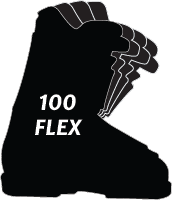
The flex of a ski boot is the measure of force required to bend the boot at the ankle. The stiffer the boot is, the more support it provides. A stiffer boot requires the skier to stand with their weight further forward in order to transfer energy through the boot to the ski effectively. Softer, more forgiving boots are meant for less experienced or lighter skiers. A softer boot requires less energy to initiate the turn of the ski.
Ski boot flex ranges from about 40 (for small children) up to 130 for general consumer boots. An 85 flex is generally a medium stiffness for intermediate women skiers, and a 100 flex is a generally a medium stiffness for intermediate men. Some race boots, categorized as “world cup flex” are measured at 140-170 flex and are built for only the most aggressive skiers. Ultimately, the flex index is not a perfectly succinct measurement across boot brands; it is always best to try a boot on before buying to confirm the flex works well for you.
Sole Type:
 More Info
Sole Type
Alpine ISO 5355 - The most common sole type for inbounds skiing, the Alpine ISO 5355 norm is the traditional flat sole style with hard plastic where the boot contacts the binding. Boots with an Alpine ISO 5355 sole are compatible with Alpine, MNC, WTR and GripWalk certified bindings.
GripWalk - GripWalk has become an industry standard sole type over recent years and is often found in alpine specific boots and some hybrid inbound/touring boots containing tech toe and heel fittings. Originally introduced to provide a more natural walking feeling, GripWalk soles feature a more rockered profile. GripWalk boots are compatible with GripWalk certified bindings along with MNC, WTR and touring bindings (provided the boot has tech fittings).

Touring ISO 9523 - The Touring ISO 9523 sole type has tech fittings in both the toe and heel of the boot and a rockered rubber sole for more natural walking. Some Touring ISO 9523 boot soles feature an anti friction device plate that aids in release, but others do not. Boots in this category are compatible with ISO Certified touring bindings and MNC bindings.

Non ISO-Certified - Non ISO-Certified touring boots are built outside the standard norm for Touring ISO 9523, but are compatible with the universal tech (pin) bindings. These boots are only compatible with bindings certified for non compliant touring boots.
2025 Lange RS 120 SC *No Insoles*
The Lange RS 120 SC ski boot delivers race-inspired performance with refined power and precision for advanced skiers. Built with dual-core construction, it actively compresses and expands to unleash explosive energy, responsive rebound, and total control through every turn. The thermo-formable Dual 3D liner offers an anatomical fit that maximizes comfort and efficient power transfer. With a narrow 97 mm last and a 120 flex rating, this boot excels for expert skiers, instructors, and racers seeking sharp edge feel and dynamic performance. The Short Cuff design improves stance, balance, and comfort—especially for women and smaller skiers.
*No Footbeds*
product specs
Condition:
More Info
Condition
Well Loved - A well loved boot shows significant signs of wear and tear including heel wear, scratching, and scuffing on a majority of the boot’s surface area.
Fair - A fair boot shows some signs of wear and tear on the sole of the boot. This includes chipping, scratching and scuffing on high impact areas like the heel and toe lugs. The liners in these boots are typically very broken in.
Good - A good boot shows minor signs of wear and tear with little heel and toe wear, some minor cosmetic scratches across both boots, but no major damage. Liners in these boots have been broken in but still have some life left in them.
Excellent - An excellent boot shows almost no signs of wear and tear on the sole or upper of the boot shell. The liners in these boots show little signs of break in and will fit tighter than a boot that has been used more.
Ability Level:
Beginner-AdvancedMore Info
Ability Level
Beginner - Skis, Boards, Boots and Bindings for the beginner skier or boarder are built to be more forgiving and easier to handle on the slopes. Skis and Boards are typically built with foam or wood cores that are more flexible and have shorter radii, making them less challenging to turn. Bindings are generally more pliable than models built for more advanced skiers or boarders.
Intermediate - Skis, Boards, Boots and Bindings for intermediate skiers or boarders generally provide more stability and performance than beginner focused equipment. Skis and Boards generally have medium radiuses with better handling at higher speed while still being forgiving at slower speeds.
Advanced - Skis, Boards, Boots and Bindings for advanced skiers or boarders generally provide a stiffer, higher performance ride that is better suited for steeper terrain and higher speeds. Skis and Boards generally have medium to large radii. Bindings are generally more rigid and provide better power transfer.
Expert - Skis, Boards, Boots and Bindings for expert skiers or boarders are built to provide the highest level of precision and power. Skis and Boards are generally on the stiffer side requiring more effort and technique to turn effectively.
Flex:
More Info
Flex
The flex of a ski boot is the measure of force required to bend the boot at the ankle. The stiffer the boot is, the more support it provides. A stiffer boot requires the skier to stand with their weight further forward in order to transfer energy through the boot to the ski effectively. Softer, more forgiving boots are meant for less experienced or lighter skiers. A softer boot requires less energy to initiate the turn of the ski.
Ski boot flex ranges from about 40 (for small children) up to 130 for general consumer boots. An 85 flex is generally a medium stiffness for intermediate women skiers, and a 100 flex is a generally a medium stiffness for intermediate men. Some race boots, categorized as “world cup flex” are measured at 140-170 flex and are built for only the most aggressive skiers. Ultimately, the flex index is not a perfectly succinct measurement across boot brands; it is always best to try a boot on before buying to confirm the flex works well for you.
Sole Type:
More Info
Sole Type
Alpine ISO 5355 - The most common sole type for inbounds skiing, the Alpine ISO 5355 norm is the traditional flat sole style with hard plastic where the boot contacts the binding. Boots with an Alpine ISO 5355 sole are compatible with Alpine, MNC, WTR and GripWalk certified bindings.
GripWalk - GripWalk has become an industry standard sole type over recent years and is often found in alpine specific boots and some hybrid inbound/touring boots containing tech toe and heel fittings. Originally introduced to provide a more natural walking feeling, GripWalk soles feature a more rockered profile. GripWalk boots are compatible with GripWalk certified bindings along with MNC, WTR and touring bindings (provided the boot has tech fittings).
Touring ISO 9523 - The Touring ISO 9523 sole type has tech fittings in both the toe and heel of the boot and a rockered rubber sole for more natural walking. Some Touring ISO 9523 boot soles feature an anti friction device plate that aids in release, but others do not. Boots in this category are compatible with ISO Certified touring bindings and MNC bindings.
Non ISO-Certified - Non ISO-Certified touring boots are built outside the standard norm for Touring ISO 9523, but are compatible with the universal tech (pin) bindings. These boots are only compatible with bindings certified for non compliant touring boots.
