


product specs
Topsheet Condition:
 More Info
TopSheet Condition

Well Loved - A well loved topsheet shows significant signs of wear and tear including chipping, scratching, and scuffing on a majority of the ski’s surface area.
Fair - A fair topsheet shows some signs of wear and tear on the ski. This includes chipping, scratching and scuffing on high impact areas like ski tips and tails or just in front of the toe piece.
Good - A good topsheet shows minor signs of wear and tear with little tip and tail scratching or chipping, some minor cosmetic scratches across both skis, but no major damage.
Excellent - An excellent topsheet shows almost no signs of wear and tear with no chips, and only a handful of very small scratches or scuffs.
Base Condition:
More Info
Base Condition
Well Loved - A well loved base shows significant signs of wear and tear. This includes but is not limited to a significant number of long but shallow scratches, multiple deep scratches or gouges that have been repaired, a large scratch or gouge that is inconsistent with the rest of the base condition, or significant edge wear and tear.
Fair - A fair base shows some signs of wear and tear on the ski. This includes some shallow to medium scratches, a few medium scratches or gouges, and some edge wear and tear.
Good - A good base shows minor signs of wear and tear with little or no shallow/medium scratches, no medium to core depth gouges, and little to no edge wear and tear.
Excellent - An excellent base shows almost no signs of wear and tear on the base material or edges of the ski.
Ability Level:
Intermediate-Expert More Info
Ability Level
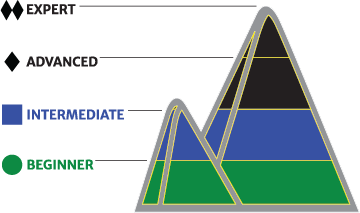
Beginner - Skis, Boards, Boots and Bindings for the beginner skier or boarder are built to be more forgiving and easier to handle on the slopes. Skis and Boards are typically built with foam or wood cores that are more flexible and have shorter radii, making them less challenging to turn. Bindings are generally more pliable than models built for more advanced skiers or boarders.
Intermediate - Skis, Boards, Boots and Bindings for intermediate skiers or boarders generally provide more stability and performance than beginner focused equipment. Skis and Boards generally have medium radiuses with better handling at higher speed while still being forgiving at slower speeds.
Advanced - Skis, Boards, Boots and Bindings for advanced skiers or boarders generally provide a stiffer, higher performance ride that is better suited for steeper terrain and higher speeds. Skis and Boards generally have medium to large radii. Bindings are generally more rigid and provide better power transfer.
Expert - Skis, Boards, Boots and Bindings for expert skiers or boarders are built to provide the highest level of precision and power. Skis and Boards are generally on the stiffer side requiring more effort and technique to turn effectively.
Sidewall Type:
Sandwich Construction More Info
Sidewall Type

Sandwich Construction - A ski with a sandwich construction uses sidewall material around the entire outside of the ski. Sandwich construction provides the most durability and torsional stiffness, but is heavier than a ski with a cap or half cap construction.

Half Cap Construction - A ski with half-cap construction utilizes sidewall material in the center area of the ski to provide strength and rigidity where the most energy is transferred to the ski. Half cap construction is used to cut down on overall weight of the ski while still providing higher durability and torsional stiffness than a full cap construction.

Cap Construction - A ski with cap construction uses no sidewall material at all. Instead, the topsheet material folds over the top and around the sides of the core. Cap construction provides the least torsional stiffness and is found on softer, more forgiving skis. Cap construction also creates an overall lighter ski than half-cap or sandwich constructions.
Binding Compatibility:

Binding Compatibility

Alpine - Traditional alpine bindings are built to work with classic flat-soled ski boots. This style of binding will not work safely with boots that have a GripWalk or touring sole.

MNC - MNC stands for “Multi Norm Compatible” and is the binding standard that provides the widest range of compatibility. MNC bindings work with boots that have Alpine ISO 5355, Touring ISO 9523, GripWalk or WTR soles.
GripWalk - Bindings designated as GripWalk compatible will only accommodate Alpine ISO 5355 or GripWalk soled boots. Though some boots with other sole types may fit into these bindings, they will not release properly or safely.

WTR - WTR bindings are certified to work only with boots with WTR, GripWalk or Alpine ISO 5355 soles. These bindings are not compatible with Touring ISO 9523 or Non ISO Certified soles.

Non ISO Certified - These bindings are designed to accommodate boots with tech fittings. This includes most Touring ISO 9523 boots and touring boots that do not meet ISO standards. Though all fall under the pin binding category, some bindings may have a different style of heel. It is always best to check with a certified ski technician to determine compatibility between boots and bindings.
2024 Blizzard Hustle 11 w/ Atomic Shift 10 Bindings
The Blizzard Hustle 11 skis are destined for deep powder days and chasing spicy lines in the backcountry. Featuring a burly waist width in the 110’s, the Hustle 11 offers plentiful float while keeping a playful and nimble attitude for getting rowdy on natural terrain. A Trueblend Free Woodcore combines with Carbon D.R.T. technology to give the Hustle 11 a springy, natural feel while providing a stable platform for navigating chutes and tree sections, while a rocker/camber/rocker profile balances float and power. A true backcountry smasher, the Hustle 11 skis are finally here.
Sidecut: 139 / 112 / 129
Turning Radius: 17.5m
product specs
Topsheet Condition:
More Info
TopSheet Condition
Well Loved - A well loved topsheet shows significant signs of wear and tear including chipping, scratching, and scuffing on a majority of the ski’s surface area.
Fair - A fair topsheet shows some signs of wear and tear on the ski. This includes chipping, scratching and scuffing on high impact areas like ski tips and tails or just in front of the toe piece.
Good - A good topsheet shows minor signs of wear and tear with little tip and tail scratching or chipping, some minor cosmetic scratches across both skis, but no major damage.
Excellent - An excellent topsheet shows almost no signs of wear and tear with no chips, and only a handful of very small scratches or scuffs.
Base Condition:
More Info
Base Condition
Well Loved - A well loved base shows significant signs of wear and tear. This includes but is not limited to a significant number of long but shallow scratches, multiple deep scratches or gouges that have been repaired, a large scratch or gouge that is inconsistent with the rest of the base condition, or significant edge wear and tear.
Fair - A fair base shows some signs of wear and tear on the ski. This includes some shallow to medium scratches, a few medium scratches or gouges, and some edge wear and tear.
Good - A good base shows minor signs of wear and tear with little or no shallow/medium scratches, no medium to core depth gouges, and little to no edge wear and tear.
Excellent - An excellent base shows almost no signs of wear and tear on the base material or edges of the ski.
Ability Level:
Intermediate-ExpertMore Info
Ability Level
Beginner - Skis, Boards, Boots and Bindings for the beginner skier or boarder are built to be more forgiving and easier to handle on the slopes. Skis and Boards are typically built with foam or wood cores that are more flexible and have shorter radii, making them less challenging to turn. Bindings are generally more pliable than models built for more advanced skiers or boarders.
Intermediate - Skis, Boards, Boots and Bindings for intermediate skiers or boarders generally provide more stability and performance than beginner focused equipment. Skis and Boards generally have medium radiuses with better handling at higher speed while still being forgiving at slower speeds.
Advanced - Skis, Boards, Boots and Bindings for advanced skiers or boarders generally provide a stiffer, higher performance ride that is better suited for steeper terrain and higher speeds. Skis and Boards generally have medium to large radii. Bindings are generally more rigid and provide better power transfer.
Expert - Skis, Boards, Boots and Bindings for expert skiers or boarders are built to provide the highest level of precision and power. Skis and Boards are generally on the stiffer side requiring more effort and technique to turn effectively.
Sidewall Type:
Sandwich ConstructionMore Info
Sidewall Type
Sandwich Construction - A ski with a sandwich construction uses sidewall material around the entire outside of the ski. Sandwich construction provides the most durability and torsional stiffness, but is heavier than a ski with a cap or half cap construction.
Half Cap Construction - A ski with half-cap construction utilizes sidewall material in the center area of the ski to provide strength and rigidity where the most energy is transferred to the ski. Half cap construction is used to cut down on overall weight of the ski while still providing higher durability and torsional stiffness than a full cap construction.
Cap Construction - A ski with cap construction uses no sidewall material at all. Instead, the topsheet material folds over the top and around the sides of the core. Cap construction provides the least torsional stiffness and is found on softer, more forgiving skis. Cap construction also creates an overall lighter ski than half-cap or sandwich constructions.
Binding Compatibility:
Binding Compatibility
Alpine - Traditional alpine bindings are built to work with classic flat-soled ski boots. This style of binding will not work safely with boots that have a GripWalk or touring sole.
MNC - MNC stands for “Multi Norm Compatible” and is the binding standard that provides the widest range of compatibility. MNC bindings work with boots that have Alpine ISO 5355, Touring ISO 9523, GripWalk or WTR soles.
GripWalk - Bindings designated as GripWalk compatible will only accommodate Alpine ISO 5355 or GripWalk soled boots. Though some boots with other sole types may fit into these bindings, they will not release properly or safely.
WTR - WTR bindings are certified to work only with boots with WTR, GripWalk or Alpine ISO 5355 soles. These bindings are not compatible with Touring ISO 9523 or Non ISO Certified soles.
Non ISO Certified - These bindings are designed to accommodate boots with tech fittings. This includes most Touring ISO 9523 boots and touring boots that do not meet ISO standards. Though all fall under the pin binding category, some bindings may have a different style of heel. It is always best to check with a certified ski technician to determine compatibility between boots and bindings.
