


spécifications du produit
Width Dimensions (mm):
121/88/110Width dimensions

Ski width dimensions are indicated with three values referring to the measurement (in millimeters) of the ski’s Tip/Waist/Tail in that order. For example, a ski with dimensions of 117/99/112 has a tip width measurement of 117mm, a waist width measurement of 99mm, and a tail width measurement of 112mm. Tip and tail measurements are taken at the widest points of the ski, and waist measurement is taken at the skinniest part of the ski. The waist of the ski typically coincides with the factory recommended boot-sole-center mounting position.
Topsheet Condition:
 More Info
TopSheet Condition

Well Loved - A well loved topsheet shows significant signs of wear and tear including chipping, scratching, and scuffing on a majority of the ski’s surface area.
Fair - A fair topsheet shows some signs of wear and tear on the ski. This includes chipping, scratching and scuffing on high impact areas like ski tips and tails or just in front of the toe piece.
Good - A good topsheet shows minor signs of wear and tear with little tip and tail scratching or chipping, some minor cosmetic scratches across both skis, but no major damage.
Excellent - An excellent topsheet shows almost no signs of wear and tear with no chips, and only a handful of very small scratches or scuffs.
Base Condition:
More Info
Base Condition
Well Loved - A well loved base shows significant signs of wear and tear. This includes but is not limited to a significant number of long but shallow scratches, multiple deep scratches or gouges that have been repaired, a large scratch or gouge that is inconsistent with the rest of the base condition, or significant edge wear and tear.
Fair - A fair base shows some signs of wear and tear on the ski. This includes some shallow to medium scratches, a few medium scratches or gouges, and some edge wear and tear.
Good - A good base shows minor signs of wear and tear with little or no shallow/medium scratches, no medium to core depth gouges, and little to no edge wear and tear.
Excellent - An excellent base shows almost no signs of wear and tear on the base material or edges of the ski.
Ability Level:
Beginner-Advanced More Info
Ability Level
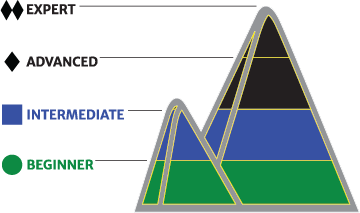
Beginner - Skis, Boards, Boots and Bindings for the beginner skier or boarder are built to be more forgiving and easier to handle on the slopes. Skis and Boards are typically built with foam or wood cores that are more flexible and have shorter radii, making them less challenging to turn. Bindings are generally more pliable than models built for more advanced skiers or boarders.
Intermediate - Skis, Boards, Boots and Bindings for intermediate skiers or boarders generally provide more stability and performance than beginner focused equipment. Skis and Boards generally have medium radiuses with better handling at higher speed while still being forgiving at slower speeds.
Advanced - Skis, Boards, Boots and Bindings for advanced skiers or boarders generally provide a stiffer, higher performance ride that is better suited for steeper terrain and higher speeds. Skis and Boards generally have medium to large radii. Bindings are generally more rigid and provide better power transfer.
Expert - Skis, Boards, Boots and Bindings for expert skiers or boarders are built to provide the highest level of precision and power. Skis and Boards are generally on the stiffer side requiring more effort and technique to turn effectively.
Sidewall Type:
Half Cap Construction More Info
Sidewall Type

Sandwich Construction - A ski with a sandwich construction uses sidewall material around the entire outside of the ski. Sandwich construction provides the most durability and torsional stiffness, but is heavier than a ski with a cap or half cap construction.

Half Cap Construction - A ski with half-cap construction utilizes sidewall material in the center area of the ski to provide strength and rigidity where the most energy is transferred to the ski. Half cap construction is used to cut down on overall weight of the ski while still providing higher durability and torsional stiffness than a full cap construction.

Cap Construction - A ski with cap construction uses no sidewall material at all. Instead, the topsheet material folds over the top and around the sides of the core. Cap construction provides the least torsional stiffness and is found on softer, more forgiving skis. Cap construction also creates an overall lighter ski than half-cap or sandwich constructions.
2025 Scott Sea 88
Seamlessly blend playful freeride freedom with precise all-mountain control of the SEA 88. As the slimmest model in Scott's energetic SEA lineup, it serves as an excellent "one-ski quiver" for shredding groomers, hitting side stashes, and tackling variable off-piste terrain.
spécifications du produit
Width Dimensions (mm):
121/88/110Width dimensions
Ski width dimensions are indicated with three values referring to the measurement (in millimeters) of the ski’s Tip/Waist/Tail in that order. For example, a ski with dimensions of 117/99/112 has a tip width measurement of 117mm, a waist width measurement of 99mm, and a tail width measurement of 112mm. Tip and tail measurements are taken at the widest points of the ski, and waist measurement is taken at the skinniest part of the ski. The waist of the ski typically coincides with the factory recommended boot-sole-center mounting position.
Topsheet Condition:
More Info
TopSheet Condition
Well Loved - A well loved topsheet shows significant signs of wear and tear including chipping, scratching, and scuffing on a majority of the ski’s surface area.
Fair - A fair topsheet shows some signs of wear and tear on the ski. This includes chipping, scratching and scuffing on high impact areas like ski tips and tails or just in front of the toe piece.
Good - A good topsheet shows minor signs of wear and tear with little tip and tail scratching or chipping, some minor cosmetic scratches across both skis, but no major damage.
Excellent - An excellent topsheet shows almost no signs of wear and tear with no chips, and only a handful of very small scratches or scuffs.
Base Condition:
More Info
Base Condition
Well Loved - A well loved base shows significant signs of wear and tear. This includes but is not limited to a significant number of long but shallow scratches, multiple deep scratches or gouges that have been repaired, a large scratch or gouge that is inconsistent with the rest of the base condition, or significant edge wear and tear.
Fair - A fair base shows some signs of wear and tear on the ski. This includes some shallow to medium scratches, a few medium scratches or gouges, and some edge wear and tear.
Good - A good base shows minor signs of wear and tear with little or no shallow/medium scratches, no medium to core depth gouges, and little to no edge wear and tear.
Excellent - An excellent base shows almost no signs of wear and tear on the base material or edges of the ski.
Ability Level:
Beginner-AdvancedMore Info
Ability Level
Beginner - Skis, Boards, Boots and Bindings for the beginner skier or boarder are built to be more forgiving and easier to handle on the slopes. Skis and Boards are typically built with foam or wood cores that are more flexible and have shorter radii, making them less challenging to turn. Bindings are generally more pliable than models built for more advanced skiers or boarders.
Intermediate - Skis, Boards, Boots and Bindings for intermediate skiers or boarders generally provide more stability and performance than beginner focused equipment. Skis and Boards generally have medium radiuses with better handling at higher speed while still being forgiving at slower speeds.
Advanced - Skis, Boards, Boots and Bindings for advanced skiers or boarders generally provide a stiffer, higher performance ride that is better suited for steeper terrain and higher speeds. Skis and Boards generally have medium to large radii. Bindings are generally more rigid and provide better power transfer.
Expert - Skis, Boards, Boots and Bindings for expert skiers or boarders are built to provide the highest level of precision and power. Skis and Boards are generally on the stiffer side requiring more effort and technique to turn effectively.
Sidewall Type:
Half Cap ConstructionMore Info
Sidewall Type
Sandwich Construction - A ski with a sandwich construction uses sidewall material around the entire outside of the ski. Sandwich construction provides the most durability and torsional stiffness, but is heavier than a ski with a cap or half cap construction.
Half Cap Construction - A ski with half-cap construction utilizes sidewall material in the center area of the ski to provide strength and rigidity where the most energy is transferred to the ski. Half cap construction is used to cut down on overall weight of the ski while still providing higher durability and torsional stiffness than a full cap construction.
Cap Construction - A ski with cap construction uses no sidewall material at all. Instead, the topsheet material folds over the top and around the sides of the core. Cap construction provides the least torsional stiffness and is found on softer, more forgiving skis. Cap construction also creates an overall lighter ski than half-cap or sandwich constructions.
